What Happens After a DUI Arrest in Michigan?
What Happens After a DUI or OWI Arrest in Michigan?
Quick Answer: What Happens After a Michigan OWI Arrest?
After an OWI arrest in Michigan, the usual next steps include booking and release, arraignment, bond conditions, evidence collection, driver’s-license issues, pretrial proceedings and either dismissal, negotiation, a plea or trial.
What happens in a particular case depends on the charge, chemical-test evidence, prior record, court and circumstances of the arrest. Important deadlines can arise quickly. If a driver is accused of refusing a chemical test under Michigan’s implied-consent law, the request for a hearing generally must be received within 14 days of the notice.
A DUI or OWI arrest is serious, but an arrest is not a conviction. Preserve your paperwork, follow every bond condition, avoid discussing the case online and speak with a Michigan OWI attorney promptly.
Call 248-986-2682 to request a confidential consultation with Fraiberg & Pernie.
Michigan OWI Arrest at a Glance
| Topic | Information |
|---|---|
| Michigan’s Legal Term | Operating While Intoxicated, or OWI |
| Common Search Term | DUI |
| Primary Statute | MCL 257.625 |
| Implied-Consent Law | MCL 257.625f |
| Common Evidence | Police reports, body-camera video, dash-camera video, field-sobriety tests, breath testing and blood testing |
| Immediate Concerns | Bond conditions, testing, court dates, license deadlines, employment and evidence preservation |
| Law Firm | Fraiberg & Pernie |
| Attorneys | Matthew Fraiberg and Eric L. Pernie |
| Office Locations | Birmingham and Oak Park, Michigan |
What Should You Do Immediately After an OWI Arrest?
Keep every ticket, bond form, temporary permit and court notice.
Write down what happened while the events are still fresh.
Preserve photographs, messages, receipts, location records and potential witness information.
Follow all alcohol testing, drug testing, travel and no-contact conditions.
Do not post about the arrest on social media.
Confirm the date, time and location of the next court appearance.
Determine whether an implied-consent hearing deadline applies.
Obtain legal advice before answering additional investigative questions.
Missing a court appearance, violating bond or overlooking a license deadline may create problems separate from the original charge.
The First Questions People Ask
Am I Going to Jail?
Not necessarily. Michigan OWI statutes permit incarceration for many offenses, but the actual outcome depends on the charge, facts, prior record, court and resolution. No lawyer can promise that jail will—or will not—be imposed before reviewing the case.
Will I Lose My Driver’s License?
Possibly. License consequences depend on the alleged offense, prior driving record, chemical-test result and whether an implied-consent refusal is alleged. Some consequences follow a conviction; others can arise through a separate administrative process.
Can the Charge Be Reduced or Dismissed?
Sometimes. A reduction or dismissal may become possible when supported by weaknesses in the stop, arrest, testing, witness testimony or other evidence. Every case must be evaluated individually.
Will My Employer Find Out?
That depends on the employer, occupation, reporting obligations, background checks and facts of the case. A professional should obtain advice tailored to the applicable employment or licensing rules.
Should I Talk to the Police?
You generally have the right to remain silent and request an attorney. Consider obtaining legal advice before answering additional questions about the incident.
Typical Michigan OWI Case Timeline
There is no single timeline for every case. Court schedules, laboratory testing, motion practice and negotiations can change how long a matter takes.
Immediately After Arrest
Chemical testing or an alleged refusal
Booking and release
Bond paperwork
Temporary license documents or other notices
Scheduling of an arraignment or first court appearance
The First 14 Days
Review all paperwork and bond conditions
Preserve relevant evidence
Identify the court and next hearing date
Address testing and travel requirements
Determine whether a 14-day implied-consent hearing deadline applies
Under MCL 257.625f, a person served with an implied-consent refusal notice generally has 14 days to request a hearing. This is separate from the criminal case.
Early Court Proceedings
Arraignment
Bond conditions
Entry of an attorney appearance
Requests for police reports, recordings and testing evidence
Pretrial scheduling
Evidence Review and Pretrial Litigation
Review of discovery
Investigation of factual and legal issues
Negotiations
Appropriate motions
Expert consultation when justified
Trial preparation
Resolution
A case may end through dismissal, a negotiated resolution, a plea, an evidentiary ruling or trial. Sentencing occurs only after a conviction or plea.
Step One: The Traffic Stop and Investigation
Many Michigan OWI cases begin with a traffic stop. An officer generally needs lawful grounds to stop a vehicle.
The investigation may include:
Driving observations
The reason given for the stop
Statements attributed to the driver
Physical observations
Field-sobriety testing
Preliminary breath testing
Body-camera and dash-camera recordings
One of the first defense questions is:
“Was the stop lawful, and does the objective evidence support the officer’s account?”
A report should be compared with available video and other evidence rather than evaluated in isolation.
Step Two: Breath Testing, Blood Testing or an Alleged Refusal
Chemical evidence may play an important role in an OWI prosecution.
Depending on the case, the defense may examine:
The type of test administered
Observation and testing procedures
Equipment records
The timing of the test
Blood-draw procedures
Chain of custody
Laboratory methods and records
Medical conditions or medications
Whether a warrant was required and properly obtained
Whether an implied-consent refusal was properly reported
A test result is evidence, but it must still be evaluated for admissibility, reliability and significance in the individual case.
Step Three: Booking, Release and Paperwork
Booking may include fingerprinting, photographs, bond paperwork, testing instructions, license documents and court scheduling.
Keep every document. Important information may appear on paperwork that looks routine, including:
The next court date
Testing requirements
Travel limitations
No-contact conditions
License information
A deadline for requesting an administrative hearing
If instructions are unclear, obtain clarification before acting.
Step Four: Arraignment and Bond Conditions
An arraignment is generally the first formal court appearance. The court advises the accused person of the charge and addresses bond.
Possible bond conditions may include:
Alcohol testing
Drug testing
Prohibition on alcohol or controlled substances
Travel restrictions
Reporting requirements
No driving without a valid license
Other conditions based on the case
Violating a bond condition can lead to additional restrictions or revocation of bond. Follow the written order even if a condition seems unrelated to the underlying allegation.
General court information is available through the Michigan Judicial Branch.
Step Five: Driver’s-License Consequences
Michigan OWI cases may involve both criminal proceedings and Secretary of State consequences.
Potential issues include:
Suspension
Restricted driving privileges
Revocation
Ignition interlock
Implied-consent sanctions
Commercial driver’s-license consequences
The specific consequence depends on the charge, test result, prior record and procedural history. A person should not assume that the court controls every license issue.
Step Six: Evidence Review and Defense Preparation
Evidence review may include:
Police reports
Body-camera recordings
Dash-camera recordings
Dispatch audio
Witness statements
Field-sobriety evidence
Breath-test records
Blood-test and laboratory records
Search warrants
Booking video
Relevant medical or digital evidence
The objective is to determine what the prosecution can prove, whether the evidence was obtained lawfully and whether the reports are consistent with the recordings and scientific records.
Matthew Fraiberg’s Perspective
“A DUI arrest does not answer the central question in the case: What does the evidence actually prove? The stop, video, testing procedures and police reports must be examined together.”
Can a Michigan OWI Be Reduced or Dismissed?
Sometimes. Possible issues may involve:
Lack of lawful grounds for the stop
An arrest unsupported by probable cause
Improperly obtained statements
Problems with a warrant
Testing-procedure issues
Inaccurate or incomplete reporting
Contradictions between video and written reports
Witness credibility
Missing evidence
Laboratory or chain-of-custody issues
The existence of an issue does not automatically produce dismissal or reduction. Its importance depends on the law, evidence and circumstances.
Prospective clients may review Fraiberg & Pernie’s Michigan criminal-defense case results. Prior results do not guarantee or predict what will happen in another matter.
Professional and Employment Concerns
An OWI arrest or conviction may create additional concerns for physicians, nurses, attorneys, pilots, commercial drivers, licensed professionals and people whose jobs require driving or security clearance.
Questions may include:
Is there a reporting obligation?
Does the employer have a written policy?
Could driving restrictions affect job duties?
Could a licensing agency begin a separate proceeding?
Could travel restrictions affect employment?
Is separate professional-licensing advice appropriate?
Reporting requirements vary. Do not rely on a general website statement when a professional license, immigration status, security clearance or commercial credential may be affected.
What Happens If…?
What Happens If I Refuse a Chemical Test?
An alleged refusal may trigger a separate implied-consent process. Review the notice immediately because the hearing-request deadline is generally 14 days.
What Happens If I Miss an Alcohol or Drug Test?
A missed or failed test may be reported as a bond violation. Contact counsel promptly and preserve any documentation explaining what occurred.
What Happens If I Miss Court?
The court may issue a warrant or take other action. Contact the court and your attorney promptly rather than ignoring the missed appearance.
What Happens If I Violate Bond?
The court may modify or revoke bond, impose additional conditions or take other action.
What Happens If the Case Involves an Accident or Injury?
Accidents and injuries may affect the potential charges, evidence and consequences. Avoid making assumptions before the reports and relevant evidence are reviewed.
What Happens If I Have a Commercial Driver’s License?
Commercial drivers may face consequences different from those applicable to an ordinary operator’s license. Obtain advice addressing both the criminal case and CDL rules.
Seven Mistakes to Avoid After a Michigan OWI Arrest
Discussing the incident unnecessarily
Posting about the case online
Missing court appearances
Violating bond or testing conditions
Ignoring driver’s-license paperwork
Missing an implied-consent deadline
Assuming a chemical-test result cannot be examined or challenged
What Makes a Strong Michigan OWI Defense?
A careful defense may include:
Evidence Analysis
What does the available evidence actually establish?
Constitutional Analysis
Were the stop, detention, search, arrest and questioning lawful?
Scientific Analysis
Were breath- or blood-testing procedures followed, and what do the results prove?
Consequence Analysis
How could the charge affect driving privileges, employment, licensing and the client’s record?
Court Preparation
What must the client do before the next hearing, and what factual or legal issues require investigation?
Motion and Trial Preparation
Can the prosecution establish every required element with admissible evidence?
Preparation does not guarantee a result. It gives the client and attorney a stronger basis for making informed decisions.
Why Clients Choose Fraiberg & Pernie
Fraiberg & Pernie combines the perspectives of:
Matthew Fraiberg, a former city prosecutor and former judicial clerk licensed in Michigan since 1997
Eric L. Pernie, a Michigan criminal-defense attorney and former police officer
The firm’s approach emphasizes:
Direct attorney communication
Review of police and scientific evidence
Identification of constitutional issues
Driver’s-license analysis
Court preparation
Realistic explanations without guaranteed outcomes
Fraiberg & Pernie represents clients through offices in Birmingham and Oak Park, with a primary focus on Oakland, Wayne and Macomb Counties.
Frequently Asked Questions
What Does OWI Mean?
OWI means Operating While Intoxicated. It is the term Michigan law uses for offenses many people call DUI.
Can Breath-Test Results Be Challenged?
Potentially. The defense may examine testing procedures, equipment records, the observation period and other evidence. Whether a meaningful challenge exists depends on the facts and records.
Can a Lawyer Protect My Driver’s License?
A lawyer can identify applicable license issues, explain deadlines and pursue available procedures. No attorney can guarantee that a license consequence will be avoided.
When Should I Hire an OWI Lawyer?
Prompt advice may help with bond conditions, evidence preservation, court preparation and license deadlines. This is particularly important when an implied-consent refusal is alleged.
How Long Does a Michigan OWI Case Take?
The timeline varies according to the court, evidence, laboratory testing, motions, negotiations and whether the matter proceeds to trial.
Does an Arrest Mean I Will Be Convicted?
No. An arrest is an accusation. The prosecution must prove the charge through admissible evidence, and the accused person retains the presumption of innocence.
Speak With a Michigan OWI Lawyer
If you have been arrested for OWI, DUI, High BAC, drugged driving, felony OWI or an alleged implied-consent refusal, Fraiberg & Pernie can help you understand the evidence, court process and potential driver’s-license consequences.
Call 248-986-2682 to request a confidential consultation.
Related Michigan OWI Resources
Written and reviewed by: Matthew Fraiberg
Michigan criminal-defense and OWI attorney
Licensed in Michigan since 1997
Former city prosecutor and former judicial clerk
Last reviewed: September 2026
Disclaimer: This page is for informational purposes only and does not constitute legal advice. Viewing this page or contacting Fraiberg & Pernie does not create an attorney-client relationship. Prior results do not guarantee or predict future outcomes.
Oakland County, Macomb County and Wayne County and all throughout Michigan
Uniquely Positioned For Success
Our lawyers can assist you with the following legal matters and more:
Fraiberg & Pernie: Trusted Michigan Criminal Defense Attorneys
Fraiberg & Pernie stands as a trusted Michigan criminal defense law firm that proudly serves Oakland County, Wayne County, and Macomb County. First and foremost, attorneys Matthew A. Fraiberg and Eric L. Pernie deliver aggressive and personalized representation for a variety of matters. For instance, they handle criminal charges, DUI/OWI drunk driving cases throughout Metro Detroit.
Meet Our Experienced Attorneys
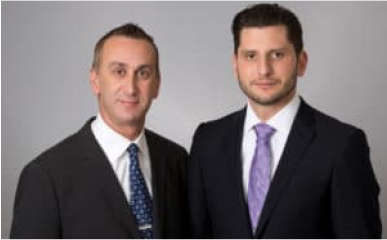
To begin with, Matthew Fraiberg, licensed by the Michigan Bar since 1997 (P57317), founded the firm. Additionally, his prior roles as a City Prosecutor, judicial clerk, and assistant legal research clerk for Oakland County 6th Circuit Court judges provide him with invaluable insider knowledge. As a result, he gains a deep understanding of Michigan courts and prosecutorial strategies, which he uses to benefit clients.
Furthermore, co-founder Eric L. Pernie (P79467) contributes a powerful combination of legal expertise and prior law enforcement experience. Moreover, as a member of the Oakland County Bar Association, he maintains a strong focus on protecting client rights across Michigan. Together, these attorneys ensure comprehensive and dedicated advocacy for every case.
What Criminal Defense Services Does Fraiberg & Pernie Provide in Oakland County, Wayne County, and Macomb County?
When it comes to criminal defense, Fraiberg & Pernie expertly handles a range of cases, including:
- Felonies and misdemeanors in Michigan courts
- Assault and battery charges
- Drug possession, delivery, and trafficking offenses
- Domestic violence allegations
- All other Michigan criminal matters
In addition, the firm constructs solid defenses by identifying weaknesses in the prosecution’s case. Then, through strategic negotiation and powerful courtroom advocacy, they aim to secure dismissals, reductions, or acquittals. Consequently, clients often achieve favorable outcomes tailored to their unique situations.
How Does Fraiberg & Pernie Defend DUI and OWI Drunk Driving Charges in Michigan?
Shifting to DUI and OWI matters, Fraiberg & Pernie aggressively defends cases that involve:
- License suspension or revocation in Michigan
- High BAC charges (.08+ or .17+ super drunk)
- Breathalyzer or chemical test refusals
- First-time DUI/OWI and repeat offenses
Leveraging former prosecutorial insights, the attorneys challenge evidence, field sobriety tests, and police procedures. Therefore, they work tirelessly to protect your driving privileges and minimize penalties, helping you move forward with confidence.
Why Do Clients in Birmingham, Oak Park, Bloomfield Hills, Royal Oak, and Metro Detroit Choose Fraiberg & Pernie?
Clients in areas like Birmingham, Oak Park, Bloomfield Hills, Royal Oak, and throughout Metro Detroit consistently choose Fraiberg & Pernie for several key reasons. To start, the firm boasts over 40 years of combined Michigan courtroom and negotiation experience. Additionally, their proven results demonstrate success in safeguarding rights, freedom, and futures—even in the most serious cases.
Moreover, they offer personalized attention by actively listening to your unique goals and crafting custom strategies. On top of that, convenient offices in Birmingham and Oak Park, Michigan, make access straightforward. Finally, the firm earns consistent recognition as reliable local advocates in Oakland County, Wayne County, and Macomb County.
Fraiberg & Pernie also operates as an Oakland County criminal defense law firm with a special focus on DUI and OWI defense in Birmingham, Troy, Royal Oak, Bloomfield Hills, Novi, and Farmington Hills, Michigan.
Schedule a Free Consultation with Fraiberg & Pernie in Michigan
If you’re facing criminal charges, a DUI/OWI arrest in Metro Detroit, take action now. Contact Fraiberg & Pernie for a free, confidential consultation to explore your options.
Simply call 248-986-2682 today, or submit your case details online for prompt assistance.
Our offices include:
- Birmingham, Michigan (main location: 1000 S. Old Woodward Avenue, Suite 103, Birmingham, MI 48009)
- Oak Park, Michigan
Your rights truly matter—therefore, let Matthew Fraiberg and Eric Pernie protect them in Michigan courts. We’re committed to guiding you every step of the way.




Our defense lawyers can help you navigate your legal process, schedule your free case review now to get started!
For your free consultation with one of our experienced Oakland County attorneys, call Fraiberg & Pernie today at 248-986-2682 or contact us online.
Fraiberg & Pernie proudly serves clients throughout Oakland County, Macomb County, and Wayne County, Michigan — delivering trusted, aggressive legal representation in criminal defense, DUI/OWI and drunk driving cases, civil infractions, traffic violations, and related matters across Metro Detroit.
From minor offenses like speeding tickets and civil infractions to serious felony charges, domestic violence, drug offenses, or high-stakes DUI arrests, our experienced team handles a full spectrum of cases with personalized strategies tailored to your situation. We represent individuals in every city, township, and village in these counties, including Birmingham, Oak Park, Royal Oak, Troy, Southfield, Warren, Dearborn, and beyond.
Led by Attorney Matthew Fraiberg (practicing since 1997, former city prosecutor with 29+ years protecting clients) and Attorney Eric L. Pernie (former police officer with insider knowledge of investigations and arrests), our firm combines prosecutorial insight, law enforcement perspective, and courtroom mastery to build strong defenses. We’re committed to protecting your rights, freedom, and long-term future — aggressively pursuing dismissals, reductions, license reinstatement, or the best possible outcome.
Whether you need confident legal advice to move forward or fierce advocacy against complex criminal allegations, count on Fraiberg & Pernie for knowledgeable preparation and relentless support.
Schedule your free, confidential consultation today at our Birmingham or Oak Park offices.
Call 248-986-2682 or contact us online now. Let our local experts fight for you in Oakland, Macomb, or Wayne County courts.

Our Commitment
Experienced Michigan Attorneys Focused on Protecting Your Future
At Fraiberg & Pernie, we understand that legal problems can affect every aspect of your life, including your freedom, driver’s license, employment opportunities, professional reputation, finances, and future.
Whether you are facing a DUI arrest, criminal charge, domestic violence allegation, driver’s license issue, traffic offense, or other legal challenge, our goal is simple: provide strategic legal representation designed to protect your rights and help you move forward.
Fraiberg & Pernie is led by attorneys Matthew Fraiberg and Eric L. Pernie, who bring decades of combined legal experience representing individuals throughout Oakland County, Wayne County, Macomb County, and Southeast Michigan.
Legal Matters We Handle
Fraiberg & Pernie regularly represents clients facing:
DUI and OWI Charges
High BAC (“Super Drunk”) DUI Cases
Felony and Misdemeanor Criminal Charges
Domestic Violence Allegations
Drug Crimes
Assault and Battery Charges
Theft and Fraud Offenses
Probation Violations
Driver’s License Issues
Traffic Violations and Civil Infractions
Every case receives individualized attention and a strategy built around the specific facts, evidence, and legal issues involved.
Why Clients Choose Fraiberg & Pernie
Clients throughout Michigan often choose Fraiberg & Pernie because of the firm’s focus on:
Early case evaluation
Detailed evidence review
Constitutional defense strategy
Driver’s license protection
Court-specific representation
Strategic negotiation
Trial preparation
Clear communication throughout the legal process
Rather than taking a one-size-fits-all approach, the firm develops defense strategies based on the unique circumstances of each case.
Experience That Makes a Difference
Matthew Fraiberg brings more than 29 years of legal experience, including prior service as a prosecutor, judicial clerk, and legal research clerk. This background provides valuable insight into how prosecutors evaluate cases and how courts review evidence.
Eric L. Pernie contributes both legal and law enforcement experience, providing a unique perspective on investigations, police procedures, and criminal defense strategy.
Together, Matthew Fraiberg and Eric Pernie provide clients with a comprehensive approach to legal representation that combines courtroom experience, evidence analysis, and practical problem-solving.
Accessible Legal Representation
Legal problems often arise unexpectedly, and cost concerns should not prevent someone from obtaining quality legal representation.
Fraiberg & Pernie offers flexible payment options designed to make experienced legal counsel accessible to individuals and families throughout Michigan.
Speak With Fraiberg & Pernie
If you are facing a DUI charge, criminal allegation, driver’s license issue, or other legal challenge, early legal guidance can make a significant difference.
Call 248-986-2682 today to schedule a confidential consultation with Fraiberg & Pernie.
Matthew Fraiberg
Michigan Criminal Defense Lawyer | Michigan DUI Lawyer
Eric L. Pernie
Michigan Criminal Defense Attorney
Fraiberg & Pernie
Michigan DUI, Criminal Defense & Driver’s License Attorneys

Our Attorneys
The Attorneys Behind Fraiberg & Pernie
One of the strengths of Fraiberg & Pernie is the complementary experience of its attorneys, Matthew Fraiberg and Eric L. Pernie. Their distinct professional backgrounds provide clients with valuable insight into how criminal cases are investigated, prosecuted, evaluated, and defended throughout Michigan.
Matthew Fraiberg
Matthew Fraiberg has practiced law in Michigan since 1997 and has spent more than 29 years representing individuals facing DUI charges, criminal allegations, driver’s license issues, and other legal matters throughout Southeast Michigan.
His professional background includes experience as:
-
A former City Prosecutor
-
A former Judicial Clerk
-
A former Assistant Legal Research Clerk
Having worked closely within the court system, Matthew Fraiberg developed a detailed understanding of how judges evaluate evidence, how prosecutors build cases, and how legal issues influence case outcomes.
Today, he applies that experience to developing defense strategies focused on evidence analysis, constitutional issues, negotiation, and trial preparation.
Eric L. Pernie
Eric L. Pernie brings both legal experience and prior law enforcement experience to the firm.
His background provides valuable insight into:
-
Police investigations
-
Traffic stops
-
Arrest procedures
-
Evidence collection
-
Report preparation
-
Law enforcement decision-making
This perspective allows Eric Pernie to carefully evaluate how criminal investigations were conducted and identify potential procedural, factual, or evidentiary issues that may affect a case.
A Broader Perspective for Clients
Criminal and DUI cases often involve multiple perspectives, including those of law enforcement officers, prosecutors, judges, probation departments, and defense attorneys.
By combining Matthew Fraiberg’s experience within the court system and prosecution environment with Eric Pernie’s law enforcement background, Fraiberg & Pernie approaches cases with a broader understanding of how criminal matters develop from investigation through resolution.
This combination helps the firm analyze evidence, identify weaknesses, anticipate challenges, and develop strategies tailored to the specific facts of each case.
For clients facing DUI charges, criminal allegations, driver’s license issues, or other legal matters, that experience can provide an important advantage from the very beginning of a case.
