Clinton Township DUI Lawyer — 41-B District Court OWI Defense
Fraiberg & Pernie represents people charged with DUI, OWI, OWVI, High BAC, drugged driving, repeat OWI, and related criminal traffic offenses arising in Clinton Township, Michigan and handled in the 41-B District Court.
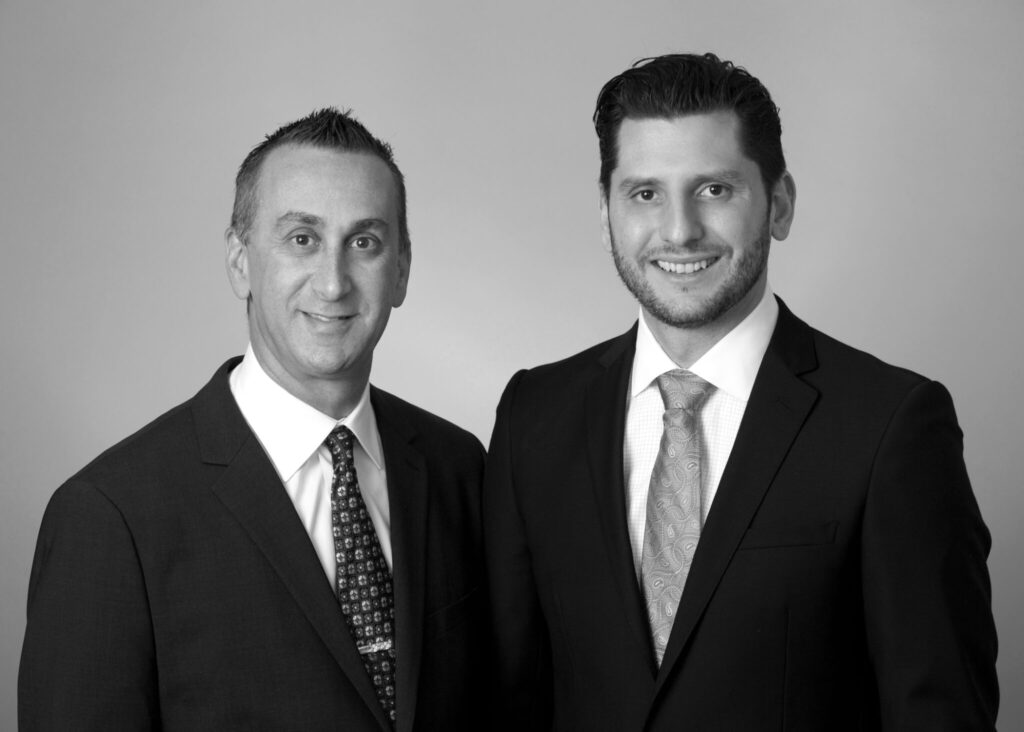
The firm’s attorneys include Matthew Fraiberg, a Michigan DUI/OWI attorney, former City Prosecutor and former Judicial Clerk who has practiced law in Michigan since 1997, and Eric L. Pernie, a Michigan criminal defense attorney and former police officer.
A Clinton Township OWI case can involve criminal penalties, bond conditions, alcohol or drug testing, driver’s-license consequences, and evidence including body-camera footage, field sobriety testing, Datamaster breath testing or blood testing.
Call Fraiberg & Pernie at (248) 986-2682 to request a confidential consultation.
Quick Answer: What Happens After a DUI Arrest in Clinton Township?
A DUI or OWI case arising in Clinton Township is generally handled in the 41-B District Court.
The early stages can involve:
Arraignment
Bond and conditions of release
Alcohol or drug testing
Discovery and evidence preservation
Driver’s-license issues
Pretrial proceedings
Negotiations or motions
Trial preparation
A DUI/OWI arrest is an allegation—not a conviction.
The defense begins by examining what happened during the traffic stop, what the video shows, whether police followed the law, how chemical testing was performed, and what the prosecution can actually prove.
Clinton Township DUI/OWI — At a Glance
Community: Clinton Township, Michigan
County: Macomb County
Court: 41-B District Court
Practice Area: DUI/OWI Defense
Law Firm: Fraiberg & Pernie
Attorneys: Matthew Fraiberg and Eric L. Pernie
Common Charges: OWI, OWVI, High BAC, drugged driving, repeat OWI and implied-consent matters
Common Evidence: Police reports, body camera, dash camera, field sobriety testing, breath testing and blood testing
Defense Focus: Traffic-stop legality, probable cause, scientific evidence, video evidence, constitutional issues and driver’s-license consequences
Phone: (248) 986-2682
Clinton Township → 41-B District Court
41-B District Court → Macomb County
Fraiberg & Pernie → Michigan DUI/OWI Defense
Matthew Fraiberg → Former City Prosecutor / Former Judicial Clerk / Michigan DUI Attorney
Eric Pernie → Former Police Officer / Michigan Criminal Defense Attorney
What Should You Do After a Clinton Township DUI Arrest?
Preserve Your Paperwork
Keep:
Citation or ticket
Bond paperwork
Court notices
Breath- or blood-testing paperwork
Secretary of State documents
Notice of Suspension, if applicable
Write Down What Happened
While the details are fresh, record:
Where you were driving
Why police said you were stopped
What the officer said
Whether field sobriety tests were performed
Whether a preliminary breath test was administered
Whether you took a Datamaster or blood test
Statements made during the investigation
Anything unusual about the stop, arrest or testing
Preserve Potential Evidence
Depending on the circumstances, relevant evidence can include:
Photographs
Video
Receipts
Electronic records
Witness information
Medical information
Other records connected with the incident
Do not delete or alter potentially relevant evidence.
Follow Bond Conditions
Comply with every condition imposed by the court.
Depending on the case, conditions may include alcohol or drug restrictions, testing, travel restrictions, reporting or other requirements.
Avoid Discussing the Case Publicly
Statements to police, investigators, witnesses or on social media can potentially become evidence.
Consider obtaining legal advice before participating in an interview concerning the allegations.
What Court Handles DUI/OWI Cases in Clinton Township?
DUI and OWI cases arising in Clinton Township are generally handled in the 41-B District Court.
The court handles matters within its jurisdiction including:
Misdemeanor criminal cases
DUI/OWI cases
Traffic matters
Preliminary felony proceedings
Probation matters
Other district-court matters
A felony OWI case begins in district court and, if bound over, can proceed to the Macomb County 16th Judicial Circuit Court.
For countywide DUI information, see Macomb County DUI/OWI Defense.
Common DUI/OWI Charges in Clinton Township
OWI — Operating While Intoxicated
Michigan’s drunk-driving law uses the term OWI — Operating While Intoxicated.
An OWI prosecution can involve allegations of intoxication or an unlawful bodily alcohol content.
Learn more about Michigan DUI and OWI defense.
OWVI — Operating While Visibly Impaired
OWVI is an impairment-based Michigan driving offense.
It does not necessarily require proof of a particular bodily alcohol content.
High BAC OWI
High BAC OWI generally involves an alleged bodily alcohol content of 0.17 or greater and can carry enhanced consequences.
It is sometimes called Michigan’s “Super Drunk” offense.
Repeat OWI
Prior qualifying OWI convictions can substantially affect potential charges and consequences.
A qualifying third OWI can be prosecuted as a felony.
Drugged Driving
Michigan OWI allegations can involve controlled substances, prescription medications or other intoxicating substances.
Implied Consent
An alleged refusal of a requested chemical test can create driver’s-license consequences separate from the underlying criminal case.
Learn more about Michigan implied consent and chemical-test refusals.
How Does a Clinton Township OWI Case Proceed?
1. Police Investigation
An OWI investigation may involve:
Driving observations
Traffic stop
Officer observations
Field sobriety testing
Preliminary breath testing
Statements
Datamaster testing
Blood testing
Body-camera or dash-camera footage
2. Arraignment
At arraignment, the court generally addresses:
The charge
Applicable rights
Bond
Conditions of release
Future court dates
3. Discovery and Evidence Review
The defense may obtain and evaluate:
Police reports
Body-camera recordings
Dash-camera recordings
Breath-testing records
Blood-testing records
Laboratory reports
Witness information
Other available evidence
4. Pretrial Proceedings
The case can involve:
Evidence review
Negotiations
Motions
Constitutional challenges
Additional discovery
Trial preparation
5. Resolution or Trial
Depending on the evidence and circumstances, the case can ultimately resolve through negotiation, dismissal, another legal disposition, or trial.
Every case is different.
How Prosecutors Attempt to Prove a Clinton Township OWI
OWI prosecutions frequently rely on several categories of evidence.
Driving Behavior
Police may report:
Weaving
Lane deviations
Speed changes
Improper turns
Other driving observations
The defense can compare those descriptions with available video and other evidence.
Officer Observations
Reports may describe:
Speech
Eyes
Odor of alcohol
Balance
Coordination
Behavior
Those observations should be considered in the context of the entire encounter.
Field Sobriety Testing
Common standardized tests include:
Horizontal gaze nystagmus
Walk-and-turn
One-leg stand
Potential issues can involve instructions, demonstrations, environmental conditions, physical limitations, scoring and video evidence.
Chemical Testing
Evidence may include:
Preliminary breath testing
Datamaster breath testing
Blood testing
Toxicology evidence
Scientific evidence should be evaluated rather than simply assumed to be conclusive.
What Evidence Can Matter in a Clinton Township DUI Defense?
Depending on the case, relevant evidence can include:
Police reports
Body-camera recordings
Dash-camera recordings
Surveillance video
Witness statements
Dispatch information
GPS records
Medical records
Receipts or transaction records
Breath-testing records
Blood-testing records
Laboratory records
The availability and relevance of these materials depends on the circumstances.
How Fraiberg & Pernie Evaluates DUI/OWI Evidence
Was the Traffic Stop Lawful?
The defense can examine:
Why the officer initiated the stop
Driving observations
Dash-camera footage
Body-camera footage
Dispatch information
Other available evidence
A successful challenge to the legality of a stop can potentially affect evidence obtained afterward.
Did Police Have Probable Cause to Arrest?
A traffic stop does not automatically establish probable cause for an OWI arrest.
Relevant evidence can include:
Officer observations
Statements
Field sobriety tests
Preliminary breath testing
Video recordings
Other circumstances
Were Field Sobriety Tests Properly Administered?
Potential issues can involve:
Instructions
Demonstrations
Testing surface
Weather
Lighting
Footwear
Medical conditions
Physical limitations
Scoring
Video evidence
Is the Datamaster Breath Evidence Reliable?
Breath-test review can include:
Testing procedure
Observation requirements
Instrument records
Maintenance
Verification or calibration information
Operator compliance
Is the Blood-Test Evidence Reliable?
Blood evidence may require examination of:
Collection
Sample handling
Storage
Chain of custody
Laboratory procedure
Documentation
Testing methodology
Interpretation
Were Constitutional Rights Respected?
Potential constitutional issues can involve:
Stop
Detention
Search
Arrest
Statements
Warrants
Other police conduct
The defense begins with the evidence—not assumptions based on the arrest.
Driver’s-License Consequences After a Clinton Township OWI
Driver’s-license consequences can operate separately from the criminal prosecution.
Depending on the charge and circumstances, potential consequences can include:
License suspension
Restricted driving privileges
Ignition-interlock requirements
Points
Secretary of State sanctions
CDL consequences
Future license-restoration issues
The precise consequences depend on the offense, prior history, chemical-testing circumstances and case outcome.
Michigan Implied Consent and Chemical-Test Refusals
Michigan’s implied-consent law can create a separate administrative proceeding when a driver allegedly refuses a requested chemical test following an OWI arrest.
An alleged refusal can affect driving privileges independently of the criminal prosecution.
Pay close attention to the deadline stated on any Notice of Suspension or related paperwork.
About the 41-B District Court
The 41-B District Court handles criminal, traffic and other district-court matters within its jurisdiction.
For a Clinton Township DUI/OWI case, proceedings can include:
Arraignment
Bond proceedings
Pretrial conferences
Motion hearings
Plea proceedings
Trial
Sentencing
Probation proceedings
Bond Conditions
A court can impose conditions of release while a criminal case is pending.
Depending on the case, OWI bond conditions can include:
Alcohol restrictions
Drug restrictions
Alcohol testing
Drug testing
Travel restrictions
Reporting requirements
Other conditions ordered by the court
Violating a bond condition can result in additional court proceedings.
Probation
If probation becomes part of a case, conditions depend on the offense, sentence and court order.
Potential requirements can include:
Alcohol or drug testing
Substance-abuse evaluation
Counseling
Educational programs
Community service
Reporting
Other court-ordered conditions
Police Agencies and Clinton Township OWI Investigations
DUI/OWI investigations arising in the Clinton Township area can involve law-enforcement agencies with jurisdiction over the location of the incident.
Evidence can include:
Police reports
Body-camera footage
Dash-camera footage
Dispatch information
Field sobriety testing
Breath-testing evidence
Blood-testing evidence
Witness information
The defense should compare the available evidence rather than relying exclusively on the written police report.
DUI/OWI Investigations on Clinton Township Roads
OWI investigations can occur throughout Clinton Township, including major roads such as:
Hall Road / M-59
Gratiot Avenue
Groesbeck Highway
Metropolitan Parkway / 16 Mile Road
Garfield Road
Romeo Plank Road
Moravian Drive
Harper Avenue
The location of the alleged offense can help determine jurisdiction, investigating agency and court.
Can a Clinton Township OWI Charge Be Reduced?
Sometimes.
Whether a reduction is possible depends on factors such as:
Strength of the evidence
Legal issues
Chemical-testing evidence
Video evidence
Prior record
Mitigation
Prosecutorial decisions
Other case-specific circumstances
No particular reduction can be guaranteed.
Can a Clinton Township DUI/OWI Case Be Dismissed?
Some OWI cases are dismissed.
Potential issues can involve:
Unlawful traffic stops
Insufficient probable cause
Inadmissible evidence
Breath- or blood-testing problems
Witness issues
Constitutional violations
Other evidentiary weaknesses
Whether dismissal is realistic depends on the facts and applicable law.
Who Are the DUI/OWI Attorneys at Fraiberg & Pernie?
Matthew Fraiberg — Former Prosecutor & Judicial Clerk
Matthew Fraiberg is a Michigan DUI/OWI and criminal defense attorney, former City Prosecutor, former Judicial Clerk and Managing Partner of Fraiberg & Pernie.
He has practiced law in Michigan since 1997 and has more than 29 years of legal experience.
His DUI/OWI practice includes matters involving:
First-offense OWI
OWVI
High BAC
Repeat OWI
Felony OWI
Drugged driving
Breath testing
Blood testing
Implied consent
Driver’s-license issues
Criminal traffic matters
His prior prosecution and judicial experience provides perspective when evaluating legal and evidentiary issues in criminal cases.
Eric L. Pernie — Former Police Officer
Eric L. Pernie is a Michigan criminal defense attorney, co-founder of Fraiberg & Pernie and former police officer.
His law-enforcement background provides additional perspective when examining:
Traffic stops
OWI investigations
Field sobriety testing
Arrest decisions
Officer observations
Police reports
Body-camera recordings
Evidence collection
Together, Matthew Fraiberg and Eric Pernie bring experience from prosecution, judicial, law-enforcement and criminal-defense perspectives to the evaluation of DUI/OWI cases.
Frequently Asked Questions About Clinton Township DUI/OWI Cases
What Court Handles DUI Cases in Clinton Township?
DUI and OWI cases arising in Clinton Township are generally handled in the 41-B District Court.
What Happens at Arraignment?
Arraignment is generally the first formal court appearance.
The court addresses the charge, applicable rights, bond and conditions of release.
What Happens at a Pretrial Conference?
Pretrial proceedings can involve discovery, evidence review, legal issues, negotiations and scheduling.
The specific process depends on the case.
Can I Challenge a Breath Test?
Breath-test evidence can be examined for issues involving procedure, instrument records, maintenance, required observations and operator compliance.
Can I Challenge a Blood Test?
Blood evidence can be evaluated for collection, storage, chain-of-custody, laboratory and interpretation issues.
Will I Lose My Driver’s License?
Michigan OWI offenses can carry driver’s-license consequences.
The particular consequences depend on the charge, prior history, chemical-testing circumstances and other factors.
Can I Drive to Work After an OWI?
Possibly.
Whether a person has restricted driving privileges depends on the particular offense, license status and applicable Secretary of State requirements.
Can an OWI Affect Employment or Professional Licensing?
Potentially.
The effect depends on the person’s occupation, employer, licensing rules, reporting requirements and case outcome.
Can an OWI Affect a CDL?
Yes. OWI-related incidents can have significant consequences for commercial driving privileges.
What Happens If I Refuse a Chemical Test?
An alleged refusal can create a separate implied-consent proceeding affecting driving privileges.
Review any Notice of Suspension immediately because deadlines can apply.
Can an OWI Be Expunged in Michigan?
Michigan law permits certain OWI convictions to be considered for expungement when statutory requirements are satisfied.
Eligibility depends on the particular conviction and circumstances.
How Long Does a Clinton Township OWI Case Take?
There is no universal timeline.
The duration depends on evidence, discovery, motions, negotiations, court scheduling and whether the case proceeds to trial.
Communities Associated With 41-B District Court DUI/OWI Defense
Fraiberg & Pernie represents clients facing DUI/OWI allegations in:
Clinton Township
Mount Clemens
Harrison Township
Other Macomb County communities
For countywide information, see Macomb County DUI/OWI Defense.
Speak With a Clinton Township DUI/OWI Lawyer
If you were arrested for DUI, OWI, OWVI, High BAC or drugged driving in Clinton Township, consider obtaining legal advice before making decisions that could affect your criminal case or driving privileges.
Fraiberg & Pernie represents clients in Clinton Township DUI/OWI cases in the 41-B District Court and throughout Macomb County.
Call (248) 986-2682 to request a confidential consultation.
Related Clinton Township & Michigan DUI/OWI Resources
Written and reviewed by Matthew Fraiberg
Michigan Criminal Defense & DUI/OWI Attorney
Former City Prosecutor | Former Judicial Clerk
Licensed in Michigan Since 1997 | 29+ Years of Legal Experience
Attorney reviewed: October 2026
This page provides general information and does not constitute legal advice. Every DUI/OWI case depends on its individual facts and circumstances. Prior results do not guarantee or predict a similar result in a future case.