HIGH BAC DUI LAWYER IN OAKLAND COUNTY
Oakland County High BAC DUI Lawyer — High BAC OWI Defense

Oakland County High BAC DUI Lawyer — High BAC OWI Defense
Charged With a High BAC OWI in Oakland County, Michigan?
A Michigan High BAC OWI—sometimes called “Super Drunk” driving—generally involves an alleged alcohol concentration of 0.17 or higher in a qualifying first-offense case.
A High BAC charge can carry enhanced criminal and driver’s-license consequences.
But a BAC number does not answer every question in the case.
The defense should still examine:
-
Why the vehicle was stopped
-
What the officer observed
-
What body-camera or dash-camera video shows
-
How field sobriety exercises were conducted
-
Whether probable cause existed
-
How breath or blood evidence was obtained
-
Whether testing procedures were followed
-
Whether the test result is supported by the underlying records
-
Whether constitutional requirements were satisfied
A High BAC arrest is not a conviction.
Fraiberg & Pernie represents people accused of High BAC OWI, DUI and other drunk-driving offenses throughout Oakland County, Michigan.
Matthew Fraiberg has practiced Michigan law since 1997 and has more than 29 years of legal experience. His professional background includes service as a City Prosecutor, Judicial Clerk and Assistant Legal Research Clerk working with Oakland County Circuit Court judges.
Eric L. Pernie is a Michigan criminal defense attorney and former police officer with more than 10 years of law-enforcement experience, including experience involving traffic enforcement, field sobriety testing and police investigations.
Together, Fraiberg & Pernie bring criminal-defense, prosecution, judicial and law-enforcement perspectives to the evaluation of High BAC cases.
Call Fraiberg & Pernie at (248) 986-2682 for a confidential consultation.
Oakland County High BAC OWI at a Glance
| Topic | Key Information |
|---|---|
| High BAC Threshold | Alleged alcohol concentration of 0.17 or higher in a qualifying first-offense case |
| Common Term | High BAC OWI; sometimes called “Super Drunk” driving |
| County | Oakland County, Michigan |
| Criminal Defense Firm | Fraiberg & Pernie |
| Attorneys | Matthew Fraiberg and Eric L. Pernie |
| Matthew’s Background | Former City Prosecutor; Former Judicial Clerk; Michigan attorney since 1997 |
| Eric’s Background | Former Police Officer; 10+ years of law-enforcement experience |
| Important Evidence | Traffic-stop evidence, video, field sobriety testing, breath/blood testing and police reports |
| License Issues | Suspension, restricted driving and ignition-interlock issues may apply |
| Defense Focus | Stop → Investigation → Arrest → Chemical Testing → Video → Records → Constitutional Issues |
Oakland County High BAC OWI → 0.17+ allegation → Enhanced consequences
High BAC Defense → Traffic Stop + Probable Cause + Video + Breath/Blood Evidence
Matthew Fraiberg → Former Prosecutor + Former Judicial Clerk
Eric Pernie → Former Police Officer
Fraiberg & Pernie → Oakland County DUI/OWI Defense
What Is a High BAC OWI in Michigan?
Michigan law provides enhanced consequences for certain first-offense OWI cases involving an alcohol content of 0.17 or more.
People frequently refer to this as:
-
High BAC OWI
-
High BAC DUI
-
“Super Drunk” driving
The legal terminology matters, but the practical issue is straightforward:
A qualifying 0.17+ allegation can expose a person to consequences beyond those associated with a standard first-offense OWI.
Michigan’s principal drunk-driving statute is MCL 257.625.
Is High BAC More Serious Than a Standard First-Offense OWI?
A qualifying High BAC offense can carry enhanced consequences compared with a standard first-offense OWI.
Potential consequences can involve:
-
Jail
-
Fines and court costs
-
Community service
-
Probation
-
Alcohol education or treatment
-
Driver’s-license sanctions
-
Restricted driving
-
Ignition interlock
-
Points on the driving record
The specific consequences depend on the charge, facts, prior history, applicable law and final disposition.
A High BAC allegation should therefore be taken seriously.
But the higher number does not eliminate the need to evaluate the evidence.
What Should You Do After a High BAC Arrest?
The first objective is not to decide immediately whether to plead guilty, negotiate or proceed toward trial.
Start by protecting the case from avoidable problems.
Read the Bond Order
Determine whether the court has imposed conditions involving:
-
Alcohol
-
Drug use
-
Alcohol testing
-
Drug testing
-
Travel
-
Reporting
-
Other restrictions
The written order controls.
Preserve Your Paperwork
Keep:
-
Citation
-
Complaint
-
Bond order
-
Breath-test documents
-
Blood-draw paperwork
-
Property receipts
-
Driver’s-license paperwork
-
Testing instructions
-
Court notices
Preserve Electronic Evidence
Potentially relevant information may include:
-
Text messages
-
Photographs
-
Videos
-
Location history
-
Rideshare records
-
Receipts
-
Security footage
-
Witness information
Do not alter or delete potentially relevant evidence.
Avoid Unnecessary Statements
Statements made after an arrest can potentially become evidence.
Understand the situation before discussing the allegations with investigators or other people.
A High BAC Case Is More Than a Number
A BAC result can be important evidence.
It should not automatically be treated as the entire case.
A High BAC investigation typically develops through several stages:
Driving → Traffic Stop → Roadside Investigation → Arrest → Breath or Blood Testing → Laboratory/Instrument Records → Court
Each stage can raise separate factual or legal questions.
For example:
-
Why did police stop the vehicle?
-
What driving was actually observed?
-
Does video show the same behavior described in the report?
-
What did the officer observe after the stop?
-
Were field sobriety exercises conducted appropriately?
-
What supported the arrest decision?
-
Was breath or blood testing performed according to applicable procedures?
-
Do the underlying records support the reported result?
A defense should examine the sequence rather than beginning and ending with the final BAC number.
Was the Traffic Stop Lawful?
Many OWI cases begin with a traffic stop.
Police may report observations involving:
-
Speed
-
Lane use
-
Traffic violations
-
Equipment issues
-
Driving behavior
-
An accident
-
Another reason for contact
The legal question is whether the stop or other police contact was supported by the facts and applicable law.
Potential evidence may include:
-
Dash-camera footage
-
Body-camera footage
-
Dispatch records
-
Witness statements
-
Roadway video
-
Police reports
An unlawful stop can raise constitutional issues concerning evidence obtained afterward.
Not every stop is unlawful.
The facts must be reviewed.
What Did the Officer Actually Observe?
OWI reports frequently describe observations such as:
-
Odor of alcohol
-
Bloodshot or glassy eyes
-
Speech
-
Balance
-
Coordination
-
Driving behavior
-
Statements
-
Performance on field sobriety exercises
Those observations should be compared with available video and other evidence.
Body-camera footage may:
-
Confirm the report
-
Contradict part of the report
-
Provide additional context
-
Show information that does not appear in the written report
The police report is important, but it is not necessarily the complete evidence.
Field Sobriety Testing in a High BAC Case
Field sobriety exercises may form part of the officer’s probable-cause determination.
Performance can potentially be affected by circumstances including:
-
Medical conditions
-
Injuries
-
Fatigue
-
Anxiety
-
Age
-
Footwear
-
Weather
-
Road surface
-
Lighting
-
Instructions
The relevant question is not simply whether the report says someone “failed.”
The defense can examine:
-
What instructions were given
-
How the exercises were demonstrated
-
How the person actually performed
-
What the video shows
-
Whether the officer’s description matches the recording
Eric Pernie’s Former Police Experience and OWI Investigations
Eric L. Pernie is a former Michigan police officer with more than 10 years of law-enforcement experience.
His background included training and experience involving:
-
Traffic enforcement
-
Traffic stops
-
Field sobriety testing
-
DataMaster DMT
-
Officer observations
-
Police investigations
-
Report writing
-
Evidence collection
-
Arrest procedures
That experience provides another perspective when examining an OWI investigation.
Questions can include:
-
Why did the officer initiate the stop?
-
What did the officer claim to observe?
-
What does the video actually show?
-
Were field sobriety exercises conducted appropriately?
-
Does the written report accurately describe the investigation?
-
Was evidence collected and documented properly?
The purpose is not to assume that police acted properly or improperly.
The purpose is to compare the investigation with the evidence and applicable law.
Breath Testing in a High BAC OWI Case
Breath-test evidence can be central to a High BAC prosecution.
A reported result of 0.17 or higher may determine whether the prosecution alleges the enhanced High BAC offense.
That makes the testing evidence important.
Potential areas of review can include:
-
Testing procedures
-
Observation requirements
-
Operator compliance
-
Instrument records
-
Maintenance documentation
-
Test records
-
Timing
-
Potential irregularities
A challenge does not succeed merely because breath testing can be questioned.
The issue is whether the evidence in the individual case provides a factual or legal basis for a challenge.
Blood Testing in a High BAC OWI Case
Some Oakland County OWI cases rely on blood evidence rather than an evidentiary breath test.
Blood evidence can involve several stages:
Collection → Handling → Transportation → Storage → Laboratory Analysis → Reported Result
Potential areas of review may include:
-
How the sample was collected
-
Documentation
-
Sample handling
-
Storage
-
Transportation
-
Laboratory procedures
-
Chain of custody
-
Reported results
Again, the existence of a blood result does not automatically establish that there is a valid challenge.
The records must be examined.
Why Timing Can Matter in a BAC Case
A chemical test measures alcohol concentration at a particular point in time.
The traffic stop, arrest and chemical test do not necessarily occur at the same moment.
The timeline may therefore be relevant when reviewing:
-
Driving
-
Police contact
-
Arrest
-
Breath testing
-
Blood collection
-
Statements
-
Other evidence
The significance of timing depends on the individual facts and the evidence available in the case.
Probable Cause to Arrest
A lawful traffic stop and a lawful arrest are separate questions.
After making contact, police may rely on observations, statements, field sobriety exercises, preliminary breath testing and other evidence when deciding whether probable cause exists for an OWI arrest.
The defense can examine:
-
What evidence existed before the arrest
-
What the officer knew at that time
-
What the video shows
-
Whether the report accurately describes the investigation
-
Whether the legal standard for arrest was satisfied
Constitutional Issues in High BAC Cases
Potential constitutional issues can involve:
-
Traffic stops
-
Detentions
-
Searches
-
Arrests
-
Warrants
-
Statements
-
Evidence collection
A constitutional challenge must be supported by the facts and applicable law.
Not every procedural disagreement results in suppression or dismissal.
But when a constitutional violation affects important evidence, it may materially change the prosecution’s case.
Driver’s-License Consequences After a High BAC OWI
For many people, the driver’s-license consequences of a High BAC case can be highly disruptive.
Potential issues can involve:
-
License suspension
-
Restricted driving
-
Ignition interlock
-
Secretary of State requirements
-
Implied-consent issues
License consequences are particularly important for people who:
-
Drive for work
-
Use a company vehicle
-
Travel between job sites
-
Have substantial family transportation responsibilities
-
Hold a commercial driver’s license
Criminal-court proceedings and driver’s-license consequences are related, but they are not always identical.
Both should be identified early.
Ignition Interlock & Restricted Driving
A qualifying High BAC case may involve ignition-interlock requirements in connection with restricted driving privileges.
An ignition-interlock device requires the driver to provide breath samples as required by the device.
Questions concerning:
-
Eligibility
-
Installation
-
Compliance
-
Violations
-
Restricted driving
should be addressed based on the person’s specific license status and applicable requirements.
Do not assume that a criminal-court resolution automatically resolves every driver’s-license issue.
Implied Consent Issues
A separate driver’s-license issue may arise when a person is alleged to have refused a chemical test under Michigan’s implied-consent law.
The criminal OWI case and an implied-consent matter can involve different procedures and consequences.
Deadlines can matter.
A person facing both issues should identify them separately rather than assuming they are one proceeding.
High BAC & Professional Consequences
For some clients, the criminal penalty is only part of the concern.
A High BAC allegation or conviction may potentially affect:
-
Employment
-
Professional licensing
-
Commercial driving
-
Security clearances
-
Insurance
-
Company vehicle privileges
-
Background checks
-
International travel
Professionals who may have additional concerns can include:
-
Physicians
-
Nurses
-
Attorneys
-
Pharmacists
-
Teachers
-
Financial professionals
-
Executives
-
Commercial drivers
A proposed resolution should be evaluated not only for its immediate criminal consequences but also for collateral issues that matter to the client.
Matthew Fraiberg — 29+ Years of Michigan Legal Experience
Matthew Fraiberg is the Managing Partner of Fraiberg & Pernie.
He has practiced Michigan law since 1997 and has more than 29 years of legal experience.
His professional background includes service as a:
-
Former City Prosecutor
-
Former Judicial Clerk
-
Former Assistant Legal Research Clerk working with Oakland County Circuit Court judges
-
Michigan criminal defense and DUI attorney
His approach to High BAC cases focuses on understanding what the prosecution must prove and comparing those requirements with the evidence actually available.
That can include reviewing:
-
Police reports
-
Body-camera footage
-
Dash-camera footage
-
Field sobriety evidence
-
Breath-test records
-
Blood-test records
-
Witness statements
-
Constitutional issues
-
Driver’s-license consequences
Read Matthew Fraiberg’s attorney profile.
High BAC Cases in Oakland County District Courts
An Oakland County OWI case is generally handled by the district court with jurisdiction over the location where the alleged offense occurred.
Oakland County district courts include:
-
43rd District Court divisions — including Ferndale, Hazel Park and Madison Heights
-
44th District Court — Royal Oak and Berkley
-
45th District Court — Oak Park and surrounding jurisdiction
-
46th District Court — Southfield area
-
47th District Court — Farmington Hills and Farmington
-
48th District Court — Bloomfield Hills, Birmingham, Bloomfield Township, West Bloomfield and other communities within its jurisdiction
-
50th District Court — Pontiac
-
51st District Court — Waterford
-
52-1 District Court — Novi and surrounding communities within its jurisdiction
-
52-2 District Court — Clarkston/Independence Township area and surrounding communities within its jurisdiction
-
52-3 District Court — Rochester/Rochester Hills area and surrounding communities within its jurisdiction
-
52-4 District Court — Troy and Clawson
Michigan OWI law applies throughout the state.
Court procedures, scheduling, bond conditions and the practical progression of an individual case can vary.
Local court familiarity can help an attorney understand procedure. It does not guarantee a particular result.
Bond & Alcohol Testing After a High BAC Arrest
Depending on the individual case and court order, bond conditions may involve:
-
No alcohol
-
Alcohol testing
-
Drug restrictions
-
Travel limitations
-
Reporting
-
Other conditions
The written order controls.
If testing is required, follow the instructions carefully.
A missed or disputed test can create a separate bond issue.
If a legitimate testing problem occurs, preserve documentation such as:
-
Receipts
-
Screenshots
-
Error messages
-
Call logs
-
Emails
-
Communications with the testing provider
Continue following all other conditions while the disputed issue is addressed.
Can a High BAC Charge Be Reduced?
Potentially.
A reduction is not automatic simply because a person has no prior record or because the case involves a first offense.
Potential negotiating issues may include:
-
Strength of the evidence
-
Traffic-stop issues
-
Probable-cause issues
-
Video evidence
-
Breath or blood testing
-
Witness problems
-
Constitutional issues
-
Mitigating circumstances
-
Individual history
The strength of a negotiation often depends on understanding the underlying evidence.
Can a High BAC Charge Be Dismissed?
Potentially, when supported by the facts and law.
Issues that can affect a prosecution may include:
-
Unlawful traffic stop
-
Lack of probable cause
-
Suppression of evidence
-
Constitutional violation
-
Testing problems supported by the records
-
Witness issues
-
Failure to establish an essential element
-
Other evidentiary deficiencies
No attorney can responsibly guarantee dismissal.
The case must first be investigated and evaluated.
See Fraiberg & Pernie’s Michigan criminal-defense case results for examples of prior matters.
Past results do not guarantee or predict a similar outcome.
Will You Go to Jail for a High BAC OWI?
Jail is legally possible in a qualifying High BAC case.
Whether jail is imposed in a particular case depends on the charge, prior record, facts, applicable law and ultimate disposition.
An arrest alone does not determine the sentence.
No responsible prediction should be made before the individual case is evaluated.
Seven Questions to Ask About a High BAC Case
1. Why Was the Vehicle Stopped?
Identify the factual and legal basis for the traffic stop.
2. What Does the Video Show?
Compare body-camera and dash-camera footage with the written report.
3. What Supported the Arrest?
Examine the evidence officers relied upon before making the arrest.
4. How Was the BAC Measured?
Determine whether the prosecution relies on breath or blood evidence.
5. What Do the Testing Records Show?
Review the documentation supporting the reported result.
6. What Driver’s-License Consequences Apply?
Identify suspension, restriction, interlock and any separate implied-consent issues.
7. What Matters Outside the Courtroom?
Consider employment, professional licensing, commercial driving, travel and other collateral consequences.
Oakland County High BAC OWI FAQ
What Qualifies as High BAC in Michigan?
A qualifying Michigan High BAC OWI generally involves an alleged alcohol concentration of 0.17 or higher in a first-offense case.
What Does “Super Drunk” Mean in Michigan?
“Super Drunk” is a commonly used informal term for Michigan’s High BAC OWI offense.
Is High BAC More Serious Than a Standard First-Offense OWI?
A qualifying High BAC offense carries enhanced potential consequences under Michigan law.
Does a 0.17 BAC Automatically Mean Conviction?
No.
The prosecution must still prove the charged offense with admissible evidence.
Can a High BAC Charge Be Reduced?
Potentially.
The answer depends on the evidence, law, circumstances and negotiations.
Can a High BAC Charge Be Dismissed?
Potentially, when supported by evidentiary, constitutional or other legal issues.
No attorney can guarantee dismissal.
Can Breath-Test Results Be Challenged?
Potentially.
A meaningful challenge should be based on the testing records, procedures, evidence and applicable law.
Can Blood-Test Results Be Challenged?
Potentially.
Blood evidence can be evaluated for collection, handling, storage, laboratory analysis, documentation and other issues supported by the records.
Will I Lose My Driver’s License?
A qualifying High BAC conviction can carry driver’s-license consequences.
The precise consequences depend on the offense and individual circumstances.
Can I Get a Restricted License?
Restricted driving may be available under qualifying circumstances and applicable requirements.
Is Ignition Interlock Required?
Ignition-interlock requirements may apply in connection with restricted driving following a qualifying High BAC offense.
Does High BAC Affect a CDL?
It can.
Commercial driver’s-license consequences can differ from ordinary driving privileges and should be evaluated separately.
Can High BAC Affect a Professional License?
Potentially.
The answer depends on the profession, licensing rules, charge and final disposition.
Can a DUI Affect Travel to Canada?
A DUI conviction can create Canadian admissibility issues.
Canadian entry is governed by Canadian law and is separate from permission to travel under a Michigan bond order.
Can a High BAC OWI Be Expunged?
Michigan law allows certain first-offense OWI convictions to be considered for set-aside relief when statutory eligibility requirements are satisfied.
Eligibility depends on the specific conviction and circumstances.
How Long Does a High BAC Case Take?
There is no single timeline.
The court, evidence, discovery, motions, negotiations, testing records and whether the case proceeds toward trial can all affect timing.
Do I Need a Lawyer for a High BAC Charge?
High BAC cases can involve criminal penalties, scientific evidence, constitutional issues and driver’s-license consequences.
Whether to retain private counsel is an individual decision, but those issues should be understood before major decisions are made.
How to Choose an Oakland County High BAC DUI Lawyer
When evaluating a lawyer for a High BAC case, consider objective information rather than relying only on advertising claims.
Questions worth asking include:
-
Does the attorney regularly handle Michigan OWI cases?
-
Does the attorney understand High BAC consequences?
-
Does the attorney evaluate breath and blood evidence?
-
Will body-camera and dash-camera footage be reviewed?
-
Does the attorney understand field sobriety testing?
-
Will the legality of the traffic stop and arrest be evaluated?
-
Does the attorney understand driver’s-license consequences?
-
Does the attorney have Oakland County court experience?
-
Who will actually handle the case?
-
Is the attorney prepared to file appropriate motions?
-
Is the attorney prepared for trial when necessary?
-
Can the attorney’s professional credentials be independently verified?
No attorney can guarantee a particular outcome.
The objective is to select counsel capable of evaluating the evidence, explaining realistic options and preparing the case for the direction it ultimately takes.
About Fraiberg & Pernie
Matthew Fraiberg
Managing Partner | Michigan DUI & Criminal Defense Attorney | Former City Prosecutor | Former Judicial Clerk
Matthew Fraiberg has practiced Michigan law since 1997 and has more than 29 years of legal experience.
His background includes service as a former City Prosecutor, former Judicial Clerk and former Assistant Legal Research Clerk working with Oakland County Circuit Court judges.
Read Matthew Fraiberg’s attorney profile.
Eric L. Pernie
Partner | Michigan Criminal Defense Attorney | Former Police Officer
Eric L. Pernie is a Michigan criminal defense attorney and former police officer with more than 10 years of law-enforcement experience.
His law-enforcement training and experience provide another perspective when examining traffic stops, field sobriety testing, officer observations, police reports, evidence collection and OWI investigations.
Read Eric L. Pernie’s attorney profile.
Fraiberg & Pernie’s approach is evidence-focused:
Examine the stop. Review the investigation. Analyze the chemical testing. Compare the video and reports. Identify the legal issues. Understand the driver’s-license and personal consequences. Prepare for the direction the case takes.
Oakland County High BAC & DUI Resources
Continue with these Fraiberg & Pernie resources:
Speak With an Oakland County High BAC DUI Lawyer
If you were arrested for an alleged High BAC OWI in Oakland County, do not assume that the reported BAC number answers every question in the case.
Identify:
-
Why police stopped the vehicle
-
What the officer observed
-
What body-camera and dash-camera footage shows
-
What supported the arrest
-
Whether breath or blood testing was used
-
What the underlying testing records show
-
What bond conditions apply
-
What driver’s-license consequences may apply
-
Whether an implied-consent issue exists
-
Whether employment, professional licensing, CDL or travel concerns need attention
Then evaluate the case based on the evidence, testing records and applicable law.
Fraiberg & Pernie represents clients facing High BAC OWI, DUI and other drunk-driving allegations throughout Oakland County and Southeast Michigan.
Call Fraiberg & Pernie at (248) 986-2682 for a confidential consultation.
Fraiberg & Pernie
1000 S. Old Woodward Avenue, Suite 103
Birmingham, Michigan 48009
Written by: Matthew Fraiberg, Michigan DUI and criminal defense attorney, former City Prosecutor and former Judicial Clerk. Practicing Michigan law since 1997 with more than 29 years of legal experience.
Legally reviewed by: Eric L. Pernie, Michigan criminal defense attorney and former police officer with more than 10 years of law-enforcement experience.
Law Firm: Fraiberg & Pernie
Jurisdiction: Oakland County, Michigan
Practice Area: High BAC OWI / DUI Defense
Last reviewed and updated: October 2026
This page provides general educational information about Michigan OWI law and is not legal advice. It does not create an attorney-client relationship. Every case depends on its individual facts, evidence, applicable law, court and circumstances. Past results do not guarantee or predict a similar outcome.
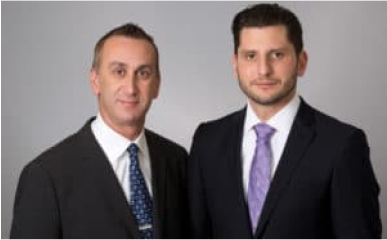
Oakland County, Macomb County and Wayne County and all throughout Michigan
Uniquely Positioned For Success
Our lawyers can assist you with the following legal matters and more:




Fraiberg & Pernie: Trusted Michigan Criminal Defense Attorneys
Fraiberg & Pernie stands as a trusted Michigan criminal defense law firm that proudly serves Oakland County, Wayne County, and Macomb County. First and foremost, attorneys Matthew A. Fraiberg and Eric L. Pernie deliver aggressive and personalized representation for a variety of matters. For instance, they handle criminal charges, DUI/OWI drunk driving cases throughout Metro Detroit.
Meet Our Experienced Attorneys
To begin with, Matthew Fraiberg, licensed by the Michigan Bar since 1997, founded the firm. Additionally, his prior roles as a City Prosecutor, judicial clerk, and assistant legal research clerk for Oakland County 6th Circuit Court judges provide him with invaluable insider knowledge. As a result, he gains a deep understanding of Michigan courts and prosecutorial strategies, which he uses to benefit clients.
Furthermore, Eric L. Pernie contributes a powerful combination of legal expertise and prior law enforcement experience. Moreover, as a member of the Oakland County Bar Association, he maintains a strong focus on protecting client rights across Michigan. Together, these attorneys ensure comprehensive and dedicated advocacy for every case.
What Criminal Defense Services Does Fraiberg & Pernie Provide in Oakland County, Wayne County, and Macomb County?
When it comes to criminal defense, Fraiberg & Pernie expertly handles a range of cases, including:
- Felonies and misdemeanors in Michigan courts
- Assault and battery charges
- Drug possession, delivery, and trafficking offenses
- Domestic violence allegations
- All other Michigan criminal matters
In addition, the firm constructs solid defenses by identifying weaknesses in the prosecution’s case. Then, through strategic negotiation and powerful courtroom advocacy, they aim to secure dismissals, reductions, or acquittals. Consequently, clients often achieve favorable outcomes tailored to their unique situations.
How Does Fraiberg & Pernie Defend DUI and OWI Drunk Driving Charges in Michigan?
Shifting to DUI and OWI matters, Fraiberg & Pernie aggressively defends cases that involve:
- License suspension or revocation in Michigan
- High BAC charges (.08+ or .17+ super drunk)
- Breathalyzer or chemical test refusals
- First-time DUI/OWI and repeat offenses
Leveraging former prosecutorial insights, the attorneys challenge evidence, field sobriety tests, and police procedures. Therefore, they work tirelessly to protect your driving privileges and minimize penalties, helping you move forward with confidence.
Why Do Clients in Birmingham, Oak Park, Bloomfield Hills, Royal Oak, and Metro Detroit Choose Fraiberg & Pernie?
Clients in areas like Birmingham, Oak Park, Bloomfield Hills, Royal Oak, and throughout Metro Detroit consistently choose Fraiberg & Pernie for several key reasons. To start, the firm boasts over 40 years of combined Michigan courtroom and negotiation experience. Additionally, their proven results demonstrate success in safeguarding rights, freedom, and futures—even in the most serious cases.
Moreover, they offer personalized attention by actively listening to your unique goals and crafting custom strategies. On top of that, convenient offices in Birmingham and Oak Park, Michigan, make access straightforward. Finally, the firm earns consistent recognition as reliable local advocates in Oakland County, Wayne County, and Macomb County.
Fraiberg & Pernie also operates as an Oakland County criminal defense law firm with a special focus on DUI and OWI defense in Birmingham, Troy, Royal Oak, Bloomfield Hills, Novi, and Farmington Hills, Michigan.
Schedule a Free Consultation with Fraiberg & Pernie in Michigan
If you’re facing criminal charges, a DUI/OWI arrest in Metro Detroit, take action now. Contact Fraiberg & Pernie for a free, confidential consultation to explore your options.
Simply call 248-986-2682 today, or submit your case details online for prompt assistance.
Our offices include:
- Birmingham, Michigan (main location: 1000 S. Old Woodward Avenue, Suite 103, Birmingham, MI 48009)
- Oak Park, Michigan
Your rights truly matter—therefore, let Matthew Fraiberg and Eric Pernie protect them in Michigan courts. We’re committed to guiding you every step of the way.
Our defense lawyers can help you navigate your legal process, schedule your free case review now to get started!
For your free consultation with one of our experienced Oakland County attorneys, call Fraiberg & Pernie today at 248-986-2682 contact us online.
Fraiberg & Pernie proudly serves clients throughout Oakland County, Macomb County, and Wayne County, Michigan — delivering trusted, aggressive legal representation in criminal defense, DUI/OWI and drunk driving cases, civil infractions, traffic violations, and related matters across Metro Detroit.
From minor offenses like speeding tickets and civil infractions to serious felony charges, domestic violence, drug offenses, or high-stakes DUI arrests, our experienced team handles a full spectrum of cases with personalized strategies tailored to your situation. We represent individuals in every city, township, and village in these counties, including Birmingham, Oak Park, Royal Oak, Troy, Southfield, Warren, Dearborn, and beyond.
Led by Attorney Matthew Fraiberg (practicing since 1997, former city prosecutor with 29+ years protecting clients) and Attorney Eric L. Pernie (former police officer with insider knowledge of investigations and arrests), our firm combines prosecutorial insight, law enforcement perspective, and courtroom mastery to build strong defenses. We’re committed to protecting your rights, freedom, and long-term future — aggressively pursuing dismissals, reductions, license reinstatement, or the best possible outcome.
Whether you need confident legal advice to move forward or fierce advocacy against complex criminal allegations, count on Fraiberg & Pernie for knowledgeable preparation and relentless support.
Schedule your free, confidential consultation today at our Birmingham or Oak Park offices.
Call 248-986-2682 or contact us online now. Let our local experts fight for you in Oakland, Macomb, or Wayne County courts.

Our Attorneys
Our two greatest assets here at Fraiberg & Pernie, are our remarkably talented attorneys, Mr. Matthew Fraiberg and Mr. Eric Pernie. Each of their diverse backgrounds provides our firm a spectrum of unique qualities you can’t find anywhere else. For instance, attorney Matthew Fraiberg’s extensive past working side by side with various judges within the Oakland County 6th Circuit Court, allows our team the advantage of knowing exactly what to expect when approaching any type of criminal defense case. Attorney Eric Pernie’s experience as a police officer in the field, however, offers us a vastly different advantage – a genuine compassion for and understanding of our clients that allows us to offer truly unconditional legal support.

Our Commitment
At Fraiberg & Pernie, our only motivation is helping our fellow Michiganders get the support they deserve. No matter what type of mistakes you may have made in the past, or what type of legal assistance you need, our attorneys will always remain steadfast in our commitment to do whatever we can to help you. From serious drunk driving and domestic violence cases to simple civil infractions our dedicated attorneys are more than capable of handling any type of legal situation concerning you.
Our attorneys at Fraiberg & Pernie, have proven our worth as legal professionals time and time again by successfully managing thousands of cases, but it is our integrity and unique qualifications that truly makes Fraiberg & Pernie one-of-a-kind. Thanks to us, you can get the help you need no matter what your circumstances are. Our adjustable payment plans make our exceptional legal services affordable for all! Give our attorneys at Fraiberg & Pernie, the chance to show you just what we’ve got! Call 248-986-2682 or fill in the form in the sidebar for your free consultation.
