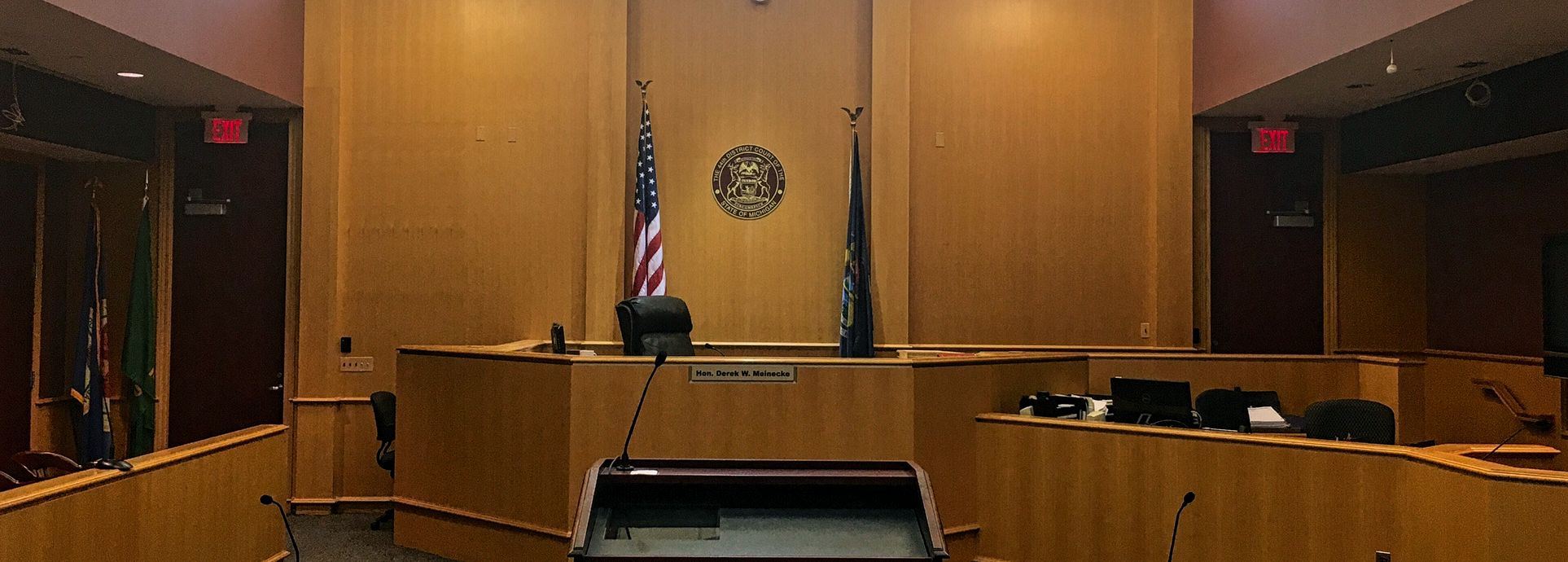


Michigan Retail Fraud Lawyer | Shoplifting & Retail Theft Defense Throughout Michigan
Michigan Retail Fraud Lawyer Summary
Michigan retail fraud lawyer Matthew Fraiberg and Fraiberg & Pernie represent individuals charged with retail fraud, shoplifting, theft offenses, and related criminal charges throughout Michigan. A former prosecutor with more than 29 years of experience, Matthew Fraiberg defends retail fraud cases by challenging surveillance evidence, loss-prevention procedures, witness credibility, statements made during store detention, and the prosecution’s ability to prove criminal intent.
Charged With Retail Fraud in Michigan?
If you were charged with retail fraud, shoplifting, price switching, concealment, under-ringing merchandise, or fraudulent refund activity in Michigan, your case may be more serious than you realize.
Many people initially think:
“It was just shoplifting.”
Legally, it is much more than that.
Retail fraud is a criminal offense in Michigan.
A conviction can potentially lead to:
-
Jail
-
Probation
-
Restitution
-
Fines
-
A permanent criminal record
-
Employment consequences
-
Professional licensing issues
-
Immigration consequences
If you are like most people who call me after a retail fraud arrest, you are probably feeling some combination of:
-
Panic
-
Shame
-
Fear
-
Embarrassment
-
Confusion
You may be wondering:
-
Am I going to jail?
-
Will this stay on my record forever?
-
Can this be dismissed?
-
Will this affect my career?
I understand that.
Because I talk to people in that exact situation all the time.
And I tell them this first:
A retail fraud charge is not the end of the analysis. It is the beginning of the investigation.
The Biggest Mistake People Make About Retail Fraud Charges
This is the biggest misconception I see.
People think retail fraud cases are mostly about the merchandise.
They usually are not.
That surprises people.
Here is what matters most:
Retail fraud cases are often won or lost on intent—not merchandise value.
That distinction changes everything.
The prosecution is not simply trying to prove:
You possessed merchandise.
They usually must prove something much more important:
That you intended to steal, deceive, or permanently deprive the merchant of property.
That is where many cases become defensible.
Because suspicious behavior is not automatically criminal intent.
Mistakes happen.
Confusion happens.
Misunderstandings happen.
And sometimes accusations are simply wrong.
What Is Retail Fraud in Michigan?
Retail fraud generally involves allegations such as:
-
Shoplifting merchandise
-
Concealing items
-
Switching price tags
-
Under-ringing merchandise
-
Fraudulent refund attempts
-
Altering packaging or labels
Michigan divides retail fraud into multiple degrees based on:
-
Merchandise value
-
Prior theft history
-
Surrounding circumstances
Degrees of Retail Fraud in Michigan
First-Degree Retail Fraud (Felony)
Usually involves:
-
Merchandise valued at $1,000 or more, or
-
Prior qualifying theft history
Potential penalties may include:
-
Up to 5 years in prison
-
Fines up to $10,000 or triple value
Second-Degree Retail Fraud (Misdemeanor)
Usually involves:
-
Merchandise valued between $200 and $1,000
Potential penalties may include:
-
Up to 1 year in jail
-
Fines up to $2,000 or triple value
Third-Degree Retail Fraud (Misdemeanor)
Usually involves:
-
Merchandise valued under $200
Potential penalties may include:
-
Up to 93 days in jail
-
Fines up to $500
What I See Constantly in Michigan Retail Fraud Cases
After decades handling theft and fraud-related cases, I see one pattern repeatedly.
Loss-prevention reports often describe:
-
Intentional concealment
-
Obvious theft
-
Deliberate deception
-
Clear criminal intent
Then we review the evidence.
Sometimes the surveillance footage tells a much more complicated story.
I see this constantly.
That does not automatically mean store security acted improperly.
But it does mean something important:
Loss-prevention conclusions are still human conclusions.
They can be mistaken.
They can be incomplete.
They can be influenced by assumptions.
That matters.
Because many retail fraud cases ultimately turn on one question:
Does the evidence actually prove criminal intent?
That is the question I care about most.
How Prosecutors Build Retail Fraud Cases
Common evidence includes:
-
Store surveillance footage
-
Loss-prevention reports
-
Witness statements
-
Transaction records
-
Receipts
-
Merchandise recovery records
-
Police reports
-
Body camera footage
-
Alleged admissions
Where cases often weaken:
-
Poor camera angles
-
Missing footage
-
Incomplete surveillance
-
Incorrect merchandise valuation
-
Misinterpretation of behavior
-
Coerced statements
-
Weak intent evidence
Evidence quality often determines case strength.
One of the Biggest Mistakes People Make
This is important.
Many people damage their case most during the store detention interview.
Not during the alleged incident.
During questioning by:
-
Store security
-
Loss prevention
-
Police officers
People panic.
They try to explain.
They apologize.
They admit things they did not intend.
They make statements hoping to go home.
I see this constantly.
That is why I tell clients:
Do not explain. Do not justify. Ask for a lawyer.
First-Time Retail Fraud Defense Strategy
Many first-time offenders are not repeat criminals.
They may be:
-
Students
-
Nurses
-
Doctors
-
Teachers
-
Professionals
-
Parents
-
College applicants
Often they have never been charged with anything.
That matters.
In many first-offense cases, early intervention may create opportunities for:
-
Dismissal
-
Diversion
-
Delayed sentencing
-
HYTA (when eligible)
-
Reduced charges
-
Record-protection strategies
These outcomes are not automatic.
Strong advocacy matters.
Professional, Licensing & Immigration Consequences
Retail fraud is often viewed as a crime of dishonesty.
That matters.
Because convictions may affect:
-
Employment
-
Professional licenses
-
Background checks
-
Security clearances
-
Immigration status
-
Educational opportunities
For many clients, protecting their record becomes the top priority.
Why Clients Choose Matthew Fraiberg
Matthew Fraiberg has more than 29 years of criminal defense experience.
His background includes:
-
Former prosecutor
-
Former judicial clerk
-
Former assistant legal research clerk
-
Extensive courtroom litigation experience
-
Representation throughout Oakland, Wayne, and Macomb Counties
Many lawyers begin with:
“What deal can we get?”
I approach cases differently.
I begin with a different question:
What does the evidence actually prove?
That mindset changes outcomes.
Quick Answers About Michigan Retail Fraud
Can retail fraud charges be dismissed?
Yes. Some cases are dismissed when major evidentiary or procedural problems exist.
Will I go to jail for shoplifting?
Many first-time offenders avoid jail with strong representation.
Does retail fraud stay on my record?
A conviction can create a criminal record unless later expunged or otherwise resolved.
Can retail fraud be reduced?
Yes. Many cases are reduced or resolved through diversion.
Should I talk to store security?
No. Ask for a lawyer immediately.
Key Takeaways About Michigan Retail Fraud Charges
Do not assume retail fraud cases are about merchandise alone.
They usually are not.
Retail fraud cases are often about proving intent.
Evidence matters.
Statements matter.
Record protection matters.
Early legal strategy matters.
The first days after a charge often shape the final outcome.
Speak With a Michigan Retail Fraud Lawyer Today
If you have been charged with retail fraud or shoplifting anywhere in Michigan, your case has already begun.
Evidence should be reviewed immediately. Defense strategy should begin now.
Your future may depend on decisions made in the next few days.
Call Fraiberg & Pernie at (248) 986-2682 today for a confidential consultation.
Call (248) 986-2682 today.
Related Michigan DUI Resources
Ultimate Guide to Michigan DUI Law
Michigan DUI Penalties
Best DUI Lawyers in Michigan
Written by Matthew Fraiberg
Attorney Reviewed September, 2026
Michigan Criminal Defense Attorney
29+ years experience
